
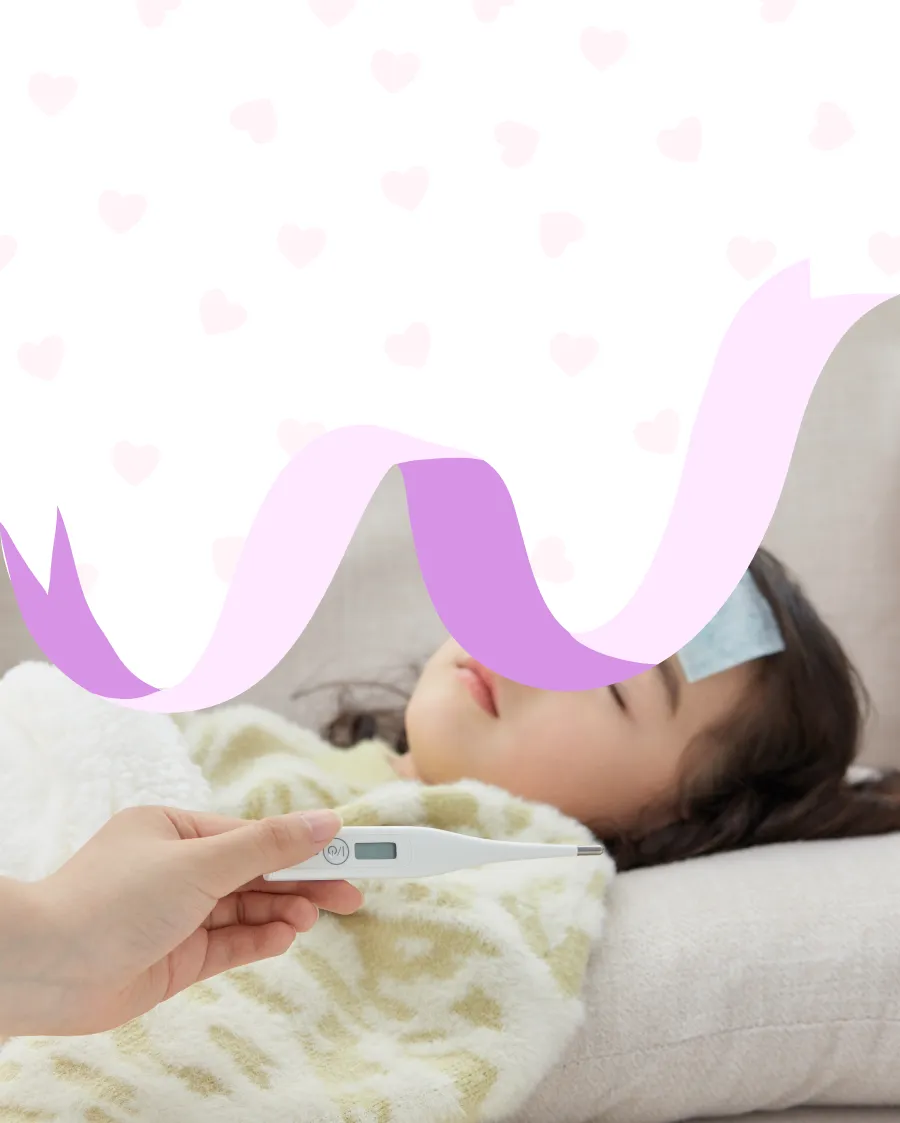
Viral Fever in Children
Overview
Viral fever is a common pediatric condition caused by various viruses affecting children of all ages. It usually presents with elevated body temperature, fatigue, and mild systemic symptoms. Most viral fevers are self-limiting and resolve within a few days. However, persistent or high-grade fever requires medical evaluation to rule out serious infections.
- Symptoms of Viral Fever
- Elevated body temperature (fever)
- Fatigue and irritability
- Body aches and headaches
- Chills and sweating
- Loss of appetite
- Mild cough, cold, or sore throat in some cases
- Skin rashes (in specific viral infections)
When to See a Doctor
Parents should consult a pediatrician if:
- Fever persists for more than 3 days
- The child has difficulty breathing, persistent vomiting, or dehydration
- High-grade fever (above 102°F / 38.9°C)
- Seizures, severe headache, or unusual drowsiness occur
- Rash appears along with fever
- Underlying medical conditions or immunodeficiency is present
Causes and Risk Factors
- Common viral infections: Influenza, adenovirus, enterovirus, RSV
- Seasonal outbreaks: Higher incidence during winter or monsoon
- Close contact: Exposure to infected individuals at school or daycare
- Weakened immunity: Infants, malnourished, or children with chronic illnesses
- Travel or environmental exposure: Areas with high viral prevalence
Diagnosis
At Ankura Hospitals, pediatricians diagnose viral fever through:
- Detailed medical and exposure history
- Physical examination including hydration status and vital signs
- Blood tests if fever persists or to rule out bacterial infections
- Urine or throat tests in select cases
- Monitoring for complications in high-risk children
Treatment Options
- Symptomatic care: Acetaminophen or ibuprofen for fever and discomfort
- Hydration therapy: Encourage fluids to prevent dehydration
- Rest and supportive care: Adequate sleep and light, nutritious meals
- Monitoring: Tracking temperature, appetite, and activity
- Antivirals: Rarely used, only for specific viral infections as prescribed
Home Care & Prevention
- Ensure adequate fluid intake (water, soups, ORS if mild dehydration occurs)
- Encourage rest and limit strenuous activities
- Maintain good hygiene and handwashing practices
- Isolate the child to prevent transmission to others
- Keep the child comfortable with light clothing and a balanced diet
- Vaccinate against preventable viral diseases (flu, MMR, etc.)
Why Choose Ankura Hospitals
- Experienced pediatricians for accurate diagnosis and care
- Advanced diagnostic facilities to rule out bacterial infections and complications
- Child-friendly environment for stress-free evaluation and treatment
- Personalized care plans including hydration, nutrition, and monitoring
- Guidance for parents on home care, prevention, and vaccination
- How to Burp a Newborn Properly
- How to Clean a Newborn’s Nose
- Anemia & Nutritional Deficiencies in Children
- How to Know if a Newborn is Gaining Enough Weight
- How to Put a Newborn to Sleep Safely
- Motion Sickness in Children
- Bedwetting in Children (Nocturnal Enuresis)
- Childhood Obesity
- Newborn Care Basics
- Newborn Diapering and Hygiene Tips
- Nosebleeds (Epistaxis) in Children
- Pneumonia in Children
- Safe Swaddling Techniques for Newborns
- Cough and Cold in Children
- Sleep Disorders in Children
- Dengue in Kids
- What is Normal Newborn Crying vs Colic
- Why a Newborn’s Face Turns Red When Crying
- Epilepsy & Seizures in Children
- Fever in Children
- How to Bathe a Newborn Safely
Frequently Asked Questions
Our healthcare specialists are equipped with the knowledge and skills to provide you with the support you require. From consultation to diagnosis to treatments, our experts are dedicated to helping you.