
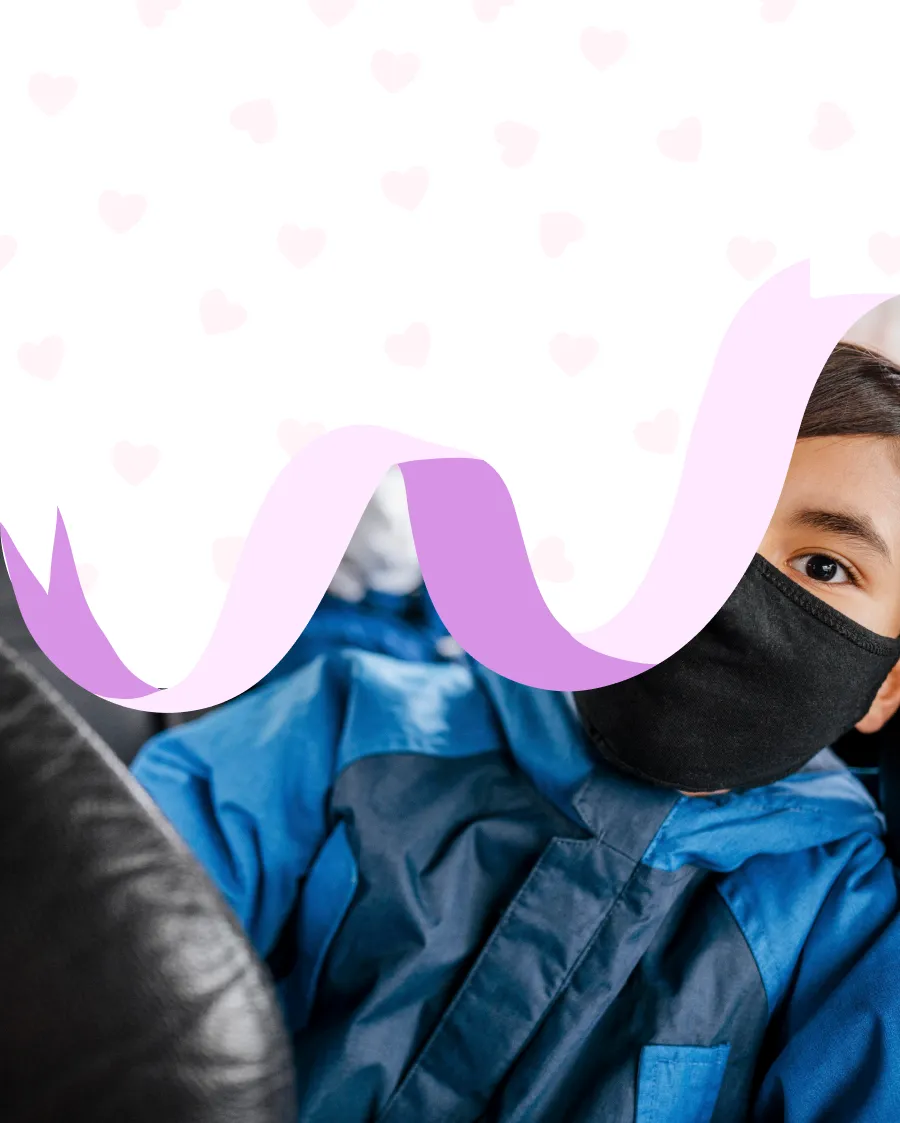
Motion Sickness in Children
Overview
Motion sickness occurs when the inner ear, eyes, and brain send conflicting signals about movement, leading to nausea, dizziness, and discomfort. It is common in children, especially during car, bus, train, or boat travel. While motion sickness is usually harmless, it can disrupt travel and daily activities. Early management helps reduce symptoms and improves comfort during journeys.
- Symptoms of Motion Sickness
- Nausea and vomiting
- Dizziness or lightheadedness
- Sweating and pale complexion
- Fatigue and irritability
- Loss of appetite
- Difficulty concentrating
When to See a Doctor
Consult a pediatrician if:
- Symptoms are severe or persistent even during short trips
- Vomiting leads to dehydration
- Motion sickness affects school, daily routines, or growth
- Associated symptoms such as severe headache, vision changes, or neurological issues appear
When to See a Doctor
Consult a pediatrician if:
- Symptoms are severe or persistent even during short trips
- Vomiting leads to dehydration
- Motion sickness affects school, daily routines, or growth
- Associated symptoms such as severe headache, vision changes, or neurological issues appear
Causes and Risk Factors
- Conflicting sensory signals: Inner ear senses motion while eyes perceive stillness
- Inner ear sensitivity: Children’s vestibular systems are more sensitive than adults’
- Anxiety or stress: Emotional factors can trigger or worsen symptoms
- Family history: Motion sickness tends to run in families
Diagnosis
At Ankura Hospitals, diagnosis involves:
- Detailed history of symptom onset, frequency, and triggers
- Physical examination for signs of balance or vestibular dysfunction
- Rule out other causes like gastrointestinal infections or neurological disorders
- Assessment of hydration and overall health
Treatment Options
- Behavioral strategies: Encouraging forward-facing seating, focusing on the horizon, and minimizing head movements
- Dietary adjustments: Light meals before travel and avoiding heavy, greasy foods
- Medications: Pediatric-approved anti-nausea drugs for severe cases
- Gradual exposure: Short trips to help children adapt to motion
- Hydration support: Ensuring adequate fluids before and during travel
Home Care & Prevention
- Seat your child in the front seat or mid-vehicle facing forward
- Provide fresh air or open windows to improve ventilation
- Encourage distraction techniques like listening to music or storytelling
- Avoid reading or using screens during travel
- Take frequent breaks on long journeys and encourage movement
Why Choose Ankura Hospitals
- Experienced pediatricians skilled in managing motion sickness
- Child-friendly guidance to reduce anxiety and discomfort during travel
- Comprehensive evaluation to rule out underlying vestibular or neurological disorders
- Personalized treatment plans including home and travel recommendations
- Ongoing support for children with recurrent or severe symptoms
- How to Bathe a Newborn Safely
- Fever in Children
- Epilepsy & Seizures in Children
- Why a Newborn’s Face Turns Red When Crying
- What is Normal Newborn Crying vs Colic
- Viral Fever in Children
- Dengue in Kids
- Sleep Disorders in Children
- Cough and Cold in Children
- Safe Swaddling Techniques for Newborns
- Pneumonia in Children
- Nosebleeds (Epistaxis) in Children
- Newborn Diapering and Hygiene Tips
- Newborn Care Basics
- Childhood Obesity
- Bedwetting in Children (Nocturnal Enuresis)
- How to Put a Newborn to Sleep Safely
- How to Know if a Newborn is Gaining Enough Weight
- Anemia & Nutritional Deficiencies in Children
- How to Clean a Newborn’s Nose
- How to Burp a Newborn Properly
Frequently Asked Questions
Our healthcare specialists are equipped with the knowledge and skills to provide you with the support you require. From consultation to diagnosis to treatments, our experts are dedicated to helping you.