Dengue in Kids
Overview
Expert pediatric care available at Ankura Hospitals in Hyderabad, Pune, and Odisha.
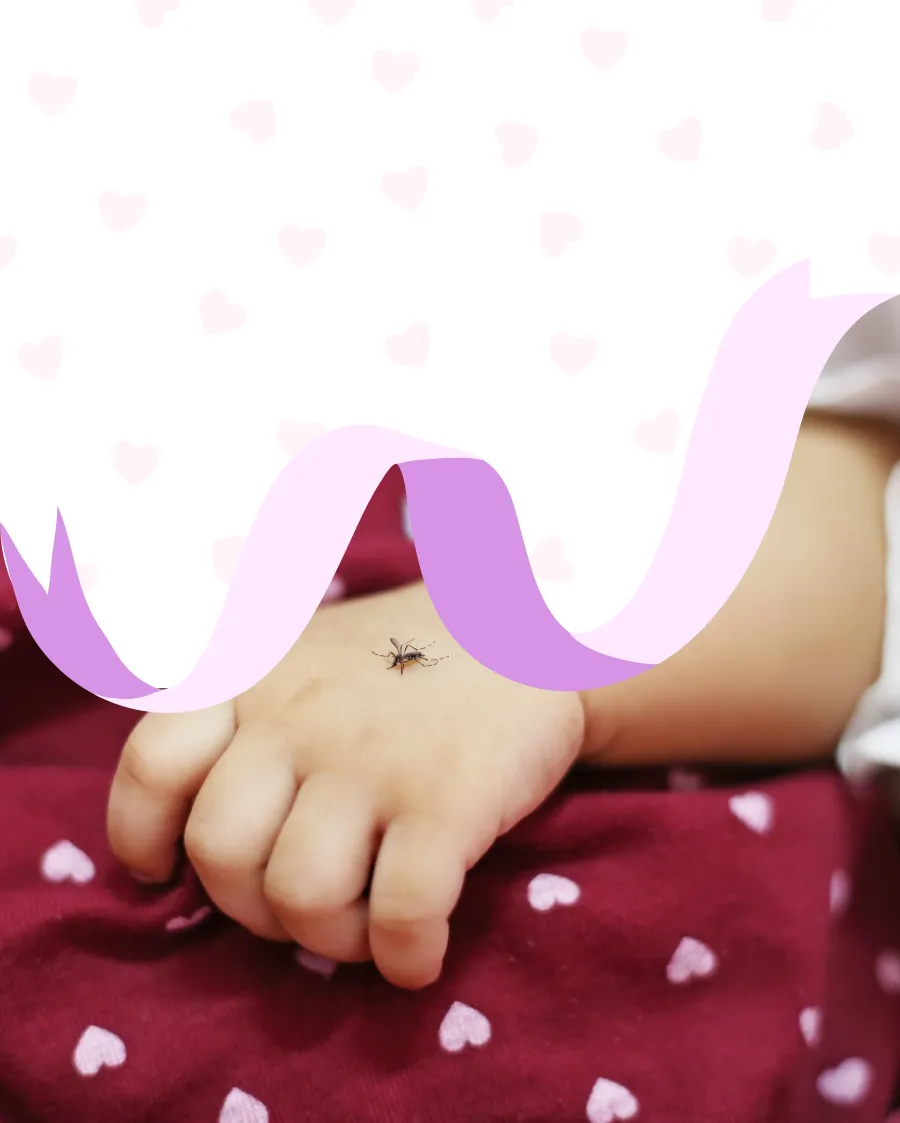
Dengue is a mosquito-borne viral infection that can affect children of all ages, especially during the monsoon season. The disease ranges from mild fever to severe dengue, which can lead to complications such as bleeding and organ impairment. Early recognition and proper medical care are essential to prevent serious outcomes.
Dengue is a mosquito-borne viral infection that can affect children of all ages, especially during the monsoon season. The disease ranges from mild fever to severe dengue, which can lead to complications such as bleeding and organ impairment. Early recognition and proper medical care are essential to prevent serious outcomes.
- Symptoms of Dengue in Children
- Sudden high fever, often above 102°F (38.9°C)
- Severe headache, especially behind the eyes
- Muscle and joint pain (“breakbone fever”)
- Nausea or vomiting
- Abdominal pain and loss of appetite
- Skin rash appearing 2–5 days after fever onset
- Bleeding from gums or nose (in severe cases)
- Fatigue and irritability
When to See a Doctor
Immediate medical attention is required if your child shows:
- Persistent vomiting
- Severe abdominal pain or swelling
- Bleeding from gums, nose, or in urine/stools
- Lethargy or drowsiness
- Rapid breathing or difficulty in breathing
- Any signs of dehydration
Causes and Risk Factors
- Mosquito bite: Dengue is transmitted by Aedes aegypti mosquitoes, which bites during the day.
- Previous infection: Risk of severe dengue increases if infected more than once
- Local outbreaks: Children in areas with stagnant water are more exposed
- Seasonality: Peak cases during monsoon and post-monsoon in India
Diagnosis
At Ankura Hospitals, pediatricians diagnose dengue through:
- Clinical examination: Assessing symptoms and warning signs
- Blood tests: NS1 antigen test, IgM/IgG antibody tests
- Complete blood count: Monitoring platelet levels and hematocrit
- Ultrasound or other imaging: In severe cases to check fluid accumulation
Treatment Options
- Supportive care: Hydration is the cornerstone of treatment, either orally or intravenously
- Fever management: Fever medications as prescribed by the pediatricians
- Monitoring platelet levels: Frequent blood tests in severe cases
- Hospitalization: Required for severe dengue or children with warning signs
- Critical care: Available in Pediatric Intensive Care Unit (PICU) if needed.
Why Choose Ankura Hospitals
- 24×7 pediatric emergency care during dengue outbreaks
- Experienced pediatricians and intensivists
- Advanced monitoring for platelet counts and organ function
- Safe, child-friendly environment to reduce stress during treatment
- Preventive counseling and vaccination guidance for families
- How to Bathe a Newborn Safely
- Fever in Children
- Epilepsy & Seizures in Children
- Why a Newborn’s Face Turns Red When Crying
- What is Normal Newborn Crying vs Colic
- Viral Fever in Children
- Sleep Disorders in Children
- Cough and Cold in Children
- Safe Swaddling Techniques for Newborns
- Pneumonia in Children
- Nosebleeds (Epistaxis) in Children
- Newborn Diapering and Hygiene Tips
- Newborn Care Basics
- Childhood Obesity
- Bedwetting in Children (Nocturnal Enuresis)
- Motion Sickness in Children
- How to Put a Newborn to Sleep Safely
- How to Know if a Newborn is Gaining Enough Weight
- Anemia & Nutritional Deficiencies in Children
- How to Clean a Newborn’s Nose
- How to Burp a Newborn Properly
Frequently Asked Questions
Our healthcare specialists are equipped with the knowledge and skills to provide you with the support you require. From consultation to diagnosis to treatments, our experts are dedicated to helping you.