
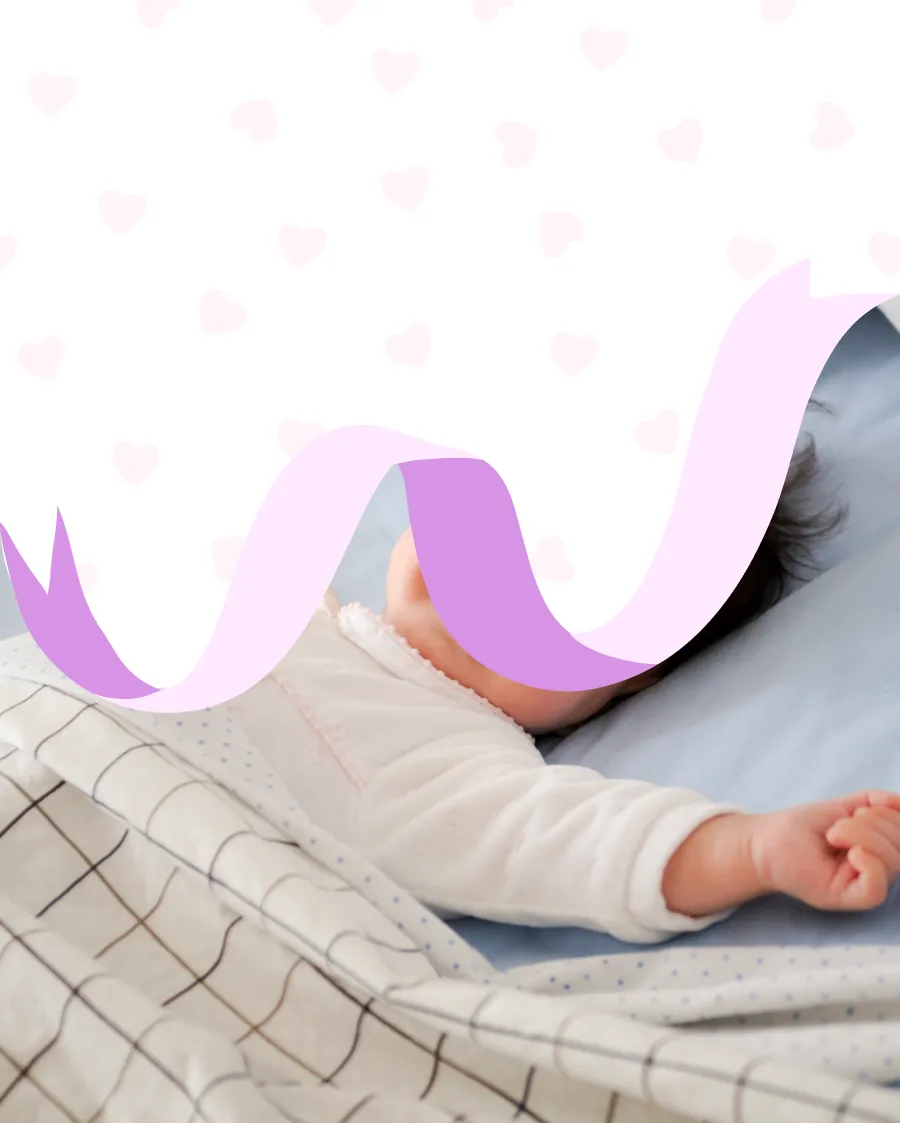
How to Put a Newborn to Sleep Safely
Overview
Newborns spend most of their first weeks sleeping, averaging 14–17 hours a day. Sleep is crucial for brain development, growth, immune system maturation, and emotional regulation. Parents often struggle to establish safe and consistent sleep habits. Following expert-recommended newborn sleep practices ensures the baby gets restorative rest while reducing risks like Sudden Infant Death Syndrome (SIDS).
- Safe Sleep Practices
- Back to sleep: Always place your newborn on their back for every nap and nighttime sleep.
- Firm sleep surface: Use a flat, firm crib mattress covered with a fitted sheet. Avoid pillows, soft bedding, and stuffed toys.
- Room-sharing: Keep the baby’s crib in the parents’ room for at least the first 6 months.
- Temperature control: Maintain a comfortable room temperature (around 22–24°C). Avoid heavy blankets or overheating.
Establishing a Routine
- Swaddling safely: Swaddling can make newborns feel secure, but stop once the baby shows rolling signs.
- Gentle sleep cues: Dim lights, play soft lullabies, or use white noise.
- Consistent timing: Try to establish regular sleep and wake times, even in the early weeks.
- Feeding before sleep: Ensure the baby is not hungry at bedtime, which reduces wake-ups.
Signs of Sleep Problems
- Persistent difficulty falling asleep
- Frequent night wakings despite routine
- Labored breathing or unusual snoring
- Excessive irritability or fatigue during the day
Home Care & Prevention
- Keep the sleep environment quiet and dark.
- Avoid screen exposure or stimulating play before bedtime.
- Monitor for signs of reflux or discomfort.
- Encourage tummy time when awake to promote motor development.
When to See a Doctor
Consult a pediatrician if your newborn:
- Has breathing difficulties or pauses during sleep
- Shows persistent restlessness or poor feeding
- Exhibits signs of reflux, vomiting, or extreme fussiness
- How to Bathe a Newborn Safely
- Fever in Children
- Epilepsy & Seizures in Children
- Why a Newborn’s Face Turns Red When Crying
- What is Normal Newborn Crying vs Colic
- Viral Fever in Children
- Dengue in Kids
- Sleep Disorders in Children
- Cough and Cold in Children
- Safe Swaddling Techniques for Newborns
- Pneumonia in Children
- Nosebleeds (Epistaxis) in Children
- Newborn Diapering and Hygiene Tips
- Newborn Care Basics
- Childhood Obesity
- Bedwetting in Children (Nocturnal Enuresis)
- Motion Sickness in Children
- How to Know if a Newborn is Gaining Enough Weight
- Anemia & Nutritional Deficiencies in Children
- How to Clean a Newborn’s Nose
- How to Burp a Newborn Properly
Frequently Asked Questions
Our healthcare specialists are equipped with the knowledge and skills to provide you with the support you require. From consultation to diagnosis to treatments, our experts are dedicated to helping you.