
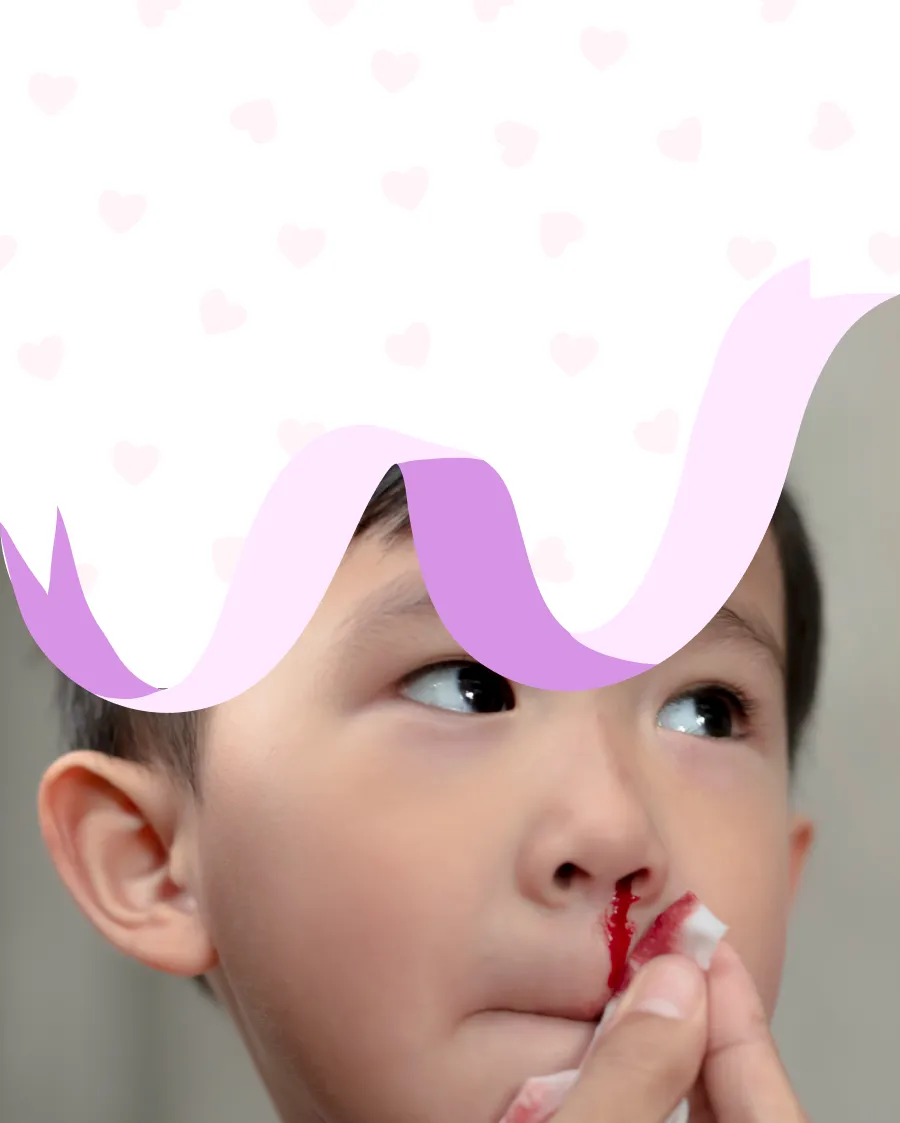
Nosebleeds (Epistaxis) in Children
Overview
Nosebleeds, medically known as epistaxis, are a common pediatric concern. Most nosebleeds in children are minor and resolve on their own, often caused by dryness, minor trauma, or irritation inside the nose. While occasional nosebleeds are harmless, frequent or heavy bleeding may indicate an underlying health issue that requires medical attention. Early evaluation ensures proper care and prevents complications.
- Symptoms of Nosebleeds in Children
- Bleeding from one or both nostrils
- Crusting or dryness inside the nose
- Sneezing or frequent rubbing of the nose
- Lightheadedness or dizziness in severe cases
When to See a Doctor
Parents should consult a pediatrician if:
- Nosebleeds occur frequently or last more than 20 minutes
- Bleeding is heavy or does not stop with home measures
- Bleeding is accompanied by bruising, bleeding gums, or unusual fatigue
- The child has a known bleeding disorder or is on medication affecting clotting
- Other symptoms like pale skin, fainting, or unexplained bruising occur
Causes and Risk Factors
- Trauma: Nose picking, accidental bumps, or falls
- Dry Air: Low humidity or exposure to heated indoor air
- Allergies or Sinus Infections: Inflammation can make blood vessels fragile
- Structural Issues: Deviated septum or nasal polyps (rare)
- Bleeding Disorders: Conditions like hemophilia or platelet disorders (rare)
- Environmental Irritants: Smoke, dust, or strong chemicals
Diagnosis
At Ankura Hospitals, pediatricians diagnose nosebleeds by:
- Conducting a detailed medical history, including frequency and severity
- Physical examination of the nasal passages using proper lighting and tools
- Screening for underlying bleeding disorders if nosebleeds are recurrent
- Laboratory tests like CBC or clotting profile in persistent cases
Treatment Options
- First aid at home: Pinch the soft part of the nose, lean forward, and apply a cold compress
- Moisturizing sprays or gels: To prevent dryness and crusting
- Cauterization: For persistent or recurrent bleeding from a specific blood vessel
- Nasal packing: Short-term solution in severe cases
- Treatment of underlying conditions: Address allergies, infections, or clotting disorders as required
Home Care & Prevention
- Maintain humidified indoor air, especially during dry seasons
- Encourage children to avoid nose picking or rubbing
- Use saline sprays to keep nasal passages moist
- Keep your child well-hydrated to keep nasal tissues healthy
- Treat allergies and sinus infections promptly
- Educate children on gentle nose blowing and hygiene
Why Choose Ankura Hospitals
- Expert pediatricians skilled in ENT care for children
- Advanced diagnostic tools for nasal and sinus evaluation
- Child-friendly environment to reduce anxiety during treatment
- Personalized care plans including prevention and home guidance
- Multidisciplinary support for recurrent or complex cases
- How to Bathe a Newborn Safely
- Fever in Children
- Epilepsy & Seizures in Children
- Why a Newborn’s Face Turns Red When Crying
- What is Normal Newborn Crying vs Colic
- Viral Fever in Children
- Dengue in Kids
- Sleep Disorders in Children
- Cough and Cold in Children
- Safe Swaddling Techniques for Newborns
- Pneumonia in Children
- Newborn Diapering and Hygiene Tips
- Newborn Care Basics
- Childhood Obesity
- Bedwetting in Children (Nocturnal Enuresis)
- Motion Sickness in Children
- How to Put a Newborn to Sleep Safely
- How to Know if a Newborn is Gaining Enough Weight
- Anemia & Nutritional Deficiencies in Children
- How to Clean a Newborn’s Nose
- How to Burp a Newborn Properly
Frequently Asked Questions
Our healthcare specialists are equipped with the knowledge and skills to provide you with the support you require. From consultation to diagnosis to treatments, our experts are dedicated to helping you.