
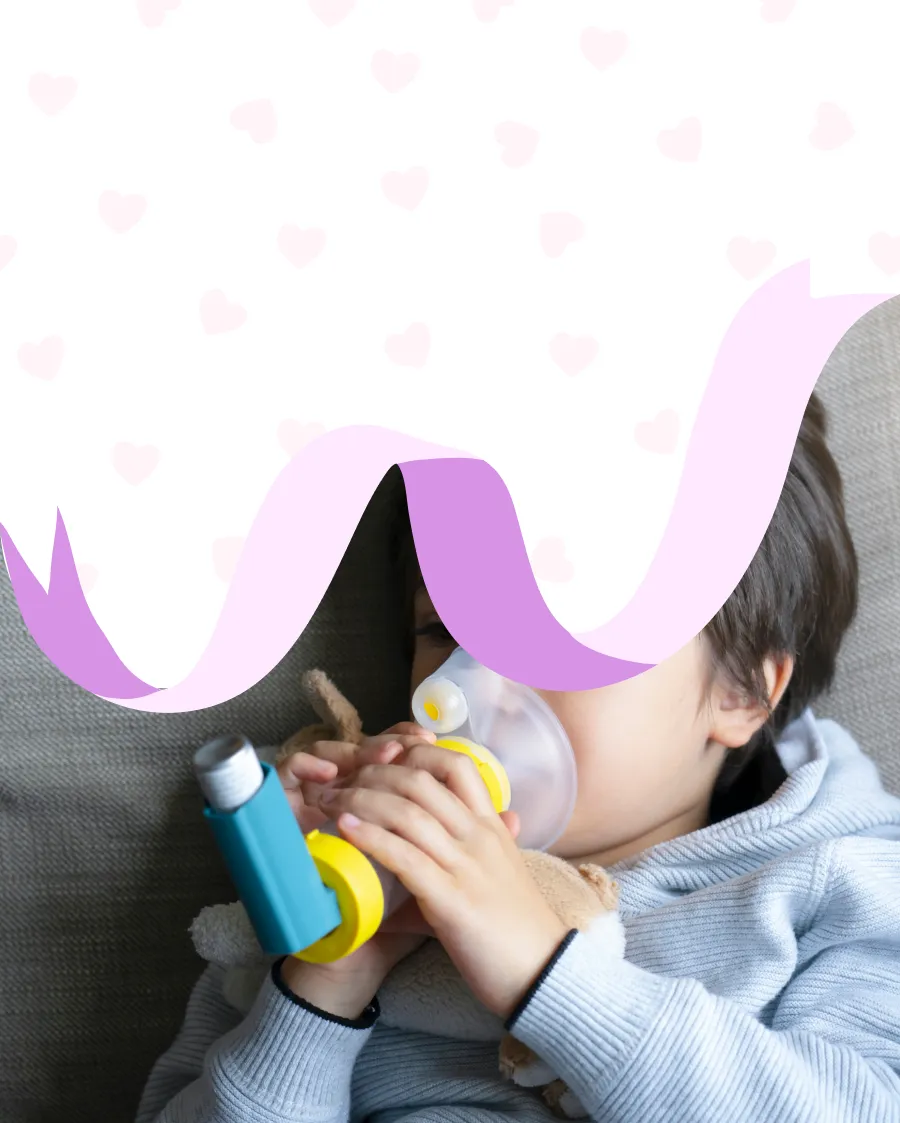
Asthma in Children
Overview
Asthma is a chronic condition in which a child’s airways become inflamed and narrowed, making breathing difficult. It is one of the most common long-term childhood illnesses and can range from mild to severe. While asthma cannot be cured, it can be effectively managed with timely diagnosis, treatment, and avoidance of triggers, ensuring children lead healthy and active lives.
- Symptoms of Asthma in Children
- Persistent cough (especially at night or after exercise)
- Wheezing or whistling sound while breathing
- Shortness of breath or rapid breathing
- Chest tightness or discomfort
- Fatigue and reduced activity levels
- Frequent episodes of cough and cold lasting longer than usual
When to See a Doctor
Parents should consult a pediatrician if:
- The child has frequent wheezing or persistent cough
- Breathing difficulties interrupt sleep or play
- Symptoms worsen despite home care or medication
- Emergency symptoms appear: severe shortness of breath, blue lips/face, or inability to speak due to breathlessness
Causes and Risk Factors
- Genetics: Family history of asthma, allergies, or eczema
- Environmental triggers: Dust, pollen, pet dander, smoke, air pollution
- Infections: Viral respiratory infections during infancy
- Exercise or cold air: Can trigger asthma attacks
- Allergens: Food allergies, insect bites, or chemical exposure
Diagnosis
At Ankura Hospitals, pediatricians and pediatric pulmonologists use:
- Detailed history of symptoms and trigger evaluation
- Physical examination and lung function assessment (spirometry in older children)
- Allergy testing when indicated
- Chest X-rays or blood tests to rule out other conditions
- Monitoring of response to treatment for confirmation
Treatment Options
- Inhalers and bronchodilators: Quick-relief medications to open airways
- Controller medications: Steroid inhalers or leukotriene modifiers for long-term management
- Allergy management: Identifying and reducing exposure to triggers
- Lifestyle modifications: Encouraging exercise with precautions, maintaining good nutrition, and stress management
- Emergency care: Nebulization and oxygen support in severe attacks
Home Care & Prevention
- Identify and avoid known asthma triggers
- Maintain dust-free and smoke-free home environments
- Use air purifiers or humidifiers if necessary
- Ensure timely vaccinations to prevent respiratory infections
- Follow prescribed inhaler or medication schedules
- Regular follow-ups with pediatric specialists for monitoring
Why Choose Ankura Hospitals
- Expert pediatric pulmonologists
- Advanced diagnostic and lung function testing facilities
- Personalized asthma management and trigger control plans
- 24/7 emergency support for acute asthma attacks
- Parent counseling and education on inhaler techniques and prevention
Frequently Asked Questions
Our healthcare specialists are equipped with the knowledge and skills to provide you with the support you require. From consultation to diagnosis to treatments, our experts are dedicated to helping you.